5 Book Publishing Lessons Every Author Learns the Hard Way          

5 Book Publishing Lessons Every Author Learns the Hard Way

Publishing a book is often imagined as the finish line of a long creative journey. In reality, it’s the beginning of a new learning curve, one that many authors only understand after making costly mistakes. While no path is completely smooth, there are several lessons nearly every author learns the hard way. Knowing them ahead of time can help you navigate publishing with greater wisdom and fewer regrets.

1. Writing the Book Is Only Half the Work

Many authors believe that once the manuscript is finished, the hardest part is over. In truth, writing is just one phase of a much larger process. Editing, formatting, cover design, marketing, and distribution all require time, skill, and decision-making.


Authors who underestimate this stage often feel overwhelmed or rushed, which can lead to poor-quality publishing choices. Understanding early on that publishing is a process, not a moment, helps set realistic expectations.

2. Not All Publishing Advice Applies to You

One of the quickest ways authors get stuck is by trying to follow every piece of advice they hear. What worked for one author may not fit your genre, audience, budget, or goals. Traditional publishing, self-publishing, and hybrid models all come with different demands and outcomes.


Authors often learn, after frustration or disappointment, that discernment matters. Your publishing path should align with your purpose, not someone else’s success story.

3. Editing Is Not Optional

Many authors attempt to cut costs by skipping professional editing or relying only on friends and family. Almost every author who does this later realizes it was a mistake. Editing is not about correcting typos alone, it’s about clarity, structure, pacing, and reader experience.


Readers may forgive a weak plot or a slow chapter, but consistent errors and confusion damage credibility. Strong editing protects both the book and the author’s reputation.

4. Marketing Doesn’t Start After Publishing

Another lesson learned too late is that marketing should begin long before the book is released. Authors who wait until launch day to build an audience often struggle to gain traction. Visibility grows through relationships, consistency, and trust over time.


Publishing without a marketing plan doesn’t mean your book is bad, it means fewer people will know it exists. Authors who understand this early are better prepared for long-term impact.

5. Emotional Resilience Matters More Than Talent

Perhaps the hardest lesson is realizing that publishing tests more than writing ability, it tests patience, confidence, and perseverance. Rejections, low sales, slow growth, and criticism are common experiences, even for gifted writers.


Many authors discover that success requires emotional resilience as much as skill. Learning to separate personal worth from outcomes allows writers to continue creating without burning out or quitting too soon.
Conclusion

Every author learns these lessons eventually, through mistakes, setbacks, or reflection. The goal isn’t to avoid every challenge, but to approach publishing informed rather than naive.


When authors combine preparation, humility, and persistence, the publishing journey becomes less discouraging and more sustainable. The lessons may be learned the hard way, but they can still lead to growth, clarity, and better books ahead.


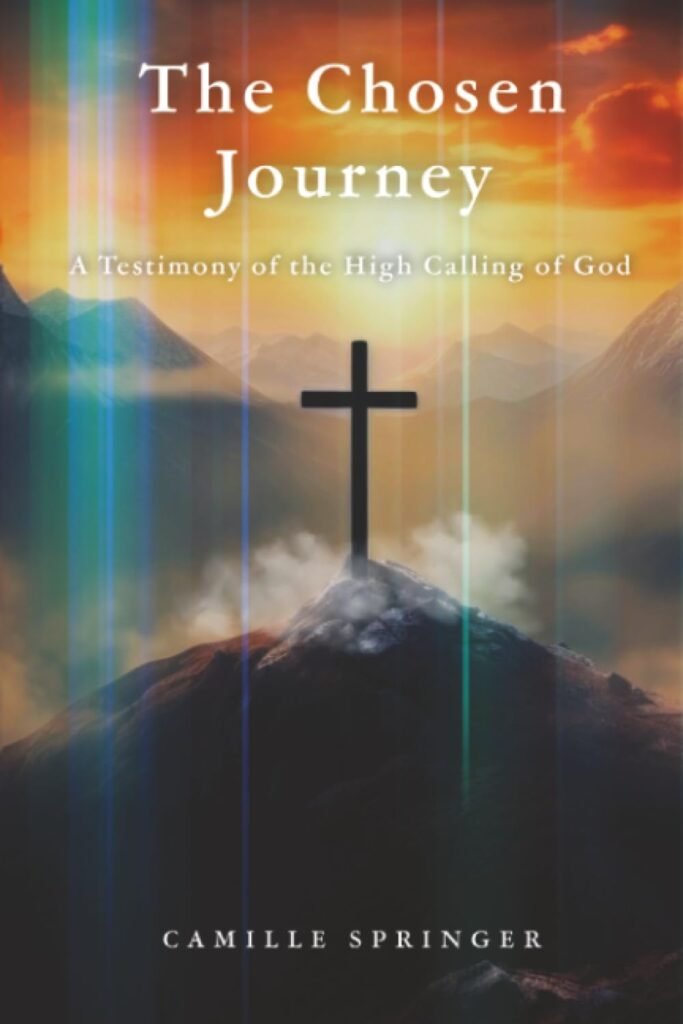
If you’re an author navigating faith, obedience, setbacks, and growth, The Chosen Journey: A Testimony of the High Calling of God by Camille Springer offers a transparent look at the refining process behind purpose-driven work. The book speaks to the unseen seasons of preparation, resilience, and spiritual maturity that shape both the writer and the message. Get your copy today!

For authors who want practical guidance alongside spiritual alignment, Chayil Works Publishing provides support rooted in clarity and excellence. Through editorial services, Christian author coaching, and publishing consultations, the platform helps writers avoid common pitfalls and build sustainable paths forward.


 

Marketing with Purpose

Marketing with Purpose: How to Share Your Book Without Feeling Salesy

For many Christian authors, marketing feels uncomfortable. You didn’t write your book to “sell,” you wrote it out of obedience, conviction, or calling. So, when it comes time to promote your work, tension arises. How do you share your book without feeling pushy, self-centered, or transactional?


The answer lies in marketing with purpose, not pressure.

Redefining What Marketing Really Is

Marketing is often misunderstood as manipulation or aggressive selling. In reality, marketing is simply communication. It’s letting the right people know that something exists that may help, encourage, or serve them.


When your book carries a message God placed on your heart, sharing it is not pride, it’s stewardship. Hiding the work out of fear or discomfort doesn’t make it more humble; it just limits its reach.

Shift From Selling to Serving

One of the biggest mindset shifts is moving from “How do I sell my book?” to “Who does this book serve?”

When you focus on the reader’s need rather than your own outcome, the tone of your messaging changes naturally. Instead of promoting a product, you’re offering an invitation, an opportunity for growth, healing, insight, or encouragement.


Ask yourself:


  • Who is this book for?
  • What problem, question, or season does it address?
  • How might someone’s life be different after reading it?

Let those answers shape how you talk about your book.

Be Consistent, Not Aggressive

Several faith-based books have made a significant impact on readers’ lives. Here are a few notable examples:


Purpose-driven marketing is gentle but consistent. You don’t need to promote every day or everywhere. Choose a few platforms where your audience already is, and show up with value.


This might look like:


  • Writing blog posts related to your book’s themes
  • Sharing short reflections or excerpts
  • Answering questions your audience is already asking

Consistency communicates credibility. Aggression creates resistance.

These books illustrate the power of faith-based literature to inspire, heal, and transform lives.

Let God Handle the Results

One of the most freeing truths for Christian authors is this: you are responsible for obedience, not outcomes. You can share faithfully, communicate clearly, and serve well, while trusting God with reach, timing, and impact.


Marketing becomes burdensome when it’s driven by fear or comparison. It becomes purposeful when it’s rooted in trust.

Conclusion

You don’t have to choose between faith and visibility. When your marketing flows from purpose, integrity, and service, it no longer feels salesy, it feels aligned. Your book doesn’t need hype. It needs honesty. Share it the same way you wrote it: with intention, humility, and trust that the right readers will find it at the right time.


If you’re learning how to share your work with confidence and integrity, The Chosen Journey: A Testimony of the High Calling of God by Camille Springer offers deeper insight into walking out purpose, obedience, and refinement, both in writing and in life. The book speaks to creatives and believers navigating calling, process, and spiritual growth behind the scenes. Get your copy today.


For authors who need guidance beyond inspiration, Chayil Works Publishing provides faith-centered support to help you steward your message well. From manuscript development and editing to Christian author coaching and publishing guidance, the platform exists to help writers move from calling to completion with clarity and excellence.

First-Time Christian Authors

5 Common Mistakes First-Time Christian Authors Make

Writing your first Christian book is an exciting step of faith. Many authors feel called to write, sense God’s prompting, and finally put pen to paper, only to discover the process is far more challenging than expected. While every writer’s journey is unique, there are several common mistakes first-time Christian authors often make. Recognizing them early can save time, frustration, and discouragement.

1. Confusing Calling with Readiness

One of the most common mistakes is assuming that a calling to write automatically means you’re ready to publish. A calling is an invitation to process, not a shortcut to completion. Many Christian authors rush to publish before the message has been fully developed, refined, or tested.


God often uses seasons of preparation, study, prayer, editing, and feedback, to shape both the message and the messenger. Skipping this stage can result in a book that feels incomplete or unclear, even if the heart behind it is sincere.

2. Writing Without Structure or Direction

Faith-based writing still needs structure. Many first-time authors sit down to “let the Spirit lead” without an outline, theme, or clear audience in mind. While inspiration is important, lack of structure often leads to rambling chapters, repeated ideas, or unfinished manuscripts.


Structure does not quench the Spirit, it supports the message. An outline helps ensure your ideas flow logically and your readers can follow the journey you’re inviting them on.

3. Trying to Sound “More Spiritual” Than Authentic

Another mistake is overusing Christian language to sound more authoritative or anointed. While Scripture and theological insight are vital, readers connect most deeply with honesty and clarity. When writing becomes overly complex or filled with spiritual jargon, it can distance rather than inspire.


Authenticity is powerful. God uses real stories, clear language, and lived experience just as much as deep theology. Write as yourself, not as who you think a “Christian author” should sound like.

4. Neglecting the Editing Process

Many first-time authors underestimate the importance of editing. Writing the manuscript is only the beginning. Editing is where clarity, coherence, and excellence are developed. Some authors avoid editing because it feels discouraging or time-consuming, while others rely solely on themselves to revise their work.


Strong Christian writing honors God through excellence. Seeking feedback, hiring an editor when possible, and revising multiple times are not signs of doubt, they are acts of stewardship.

5. Expecting Immediate Impact or Recognition

Finally, many new authors expect quick results, sales, invitations, recognition, or affirmation. When these don’t come right away, disappointment sets in. Writing as a believer requires patience and trust.


God’s timing is rarely instant. Books often grow slowly, reaching the right readers at the right time. Success in Christian authorship is not measured only by numbers, but by obedience, faithfulness, and transformation.

Moving Forward with Wisdom and Grace

Mistakes are part of the journey, not evidence of failure. Every seasoned author was once a beginner. When first-time Christian authors combine faith with humility, preparation, and perseverance, their writing becomes not only meaningful but impactful.

If you feel called to write, take heart. Learn, grow, revise, and trust the process. God is just as present in the refining as He is in the calling.


If you’re a Christian writer who feels called but uncertain, The Chosen Journey: A Testimony of the High Calling of God by Camille Springer speaks directly to the unseen process of preparation, discipline, and spiritual growth behind the calling. Get your copy today.


For authors ready to move from inspiration to execution, Chayil Works Publishing provides faith-centered support services such as:


  • Editorial and manuscript development
  • Author coaching and publishing consultations
  • Strategic guidance for Christian writers and creatives

Read the book. Get the support. Build with purpose.

Overcoming Writer’s Block

Overcoming Writer’s Block Through Faith and Structure

Writer’s block can feel like an immovable wall, one moment you’re inspired, the next you’re staring at a blank page wondering where all the words went. For writers of faith, this struggle can feel even heavier, especially when writing feels tied to purpose, calling, or obedience. The good news is that writer’s block is not a sign of failure. It is often an invitation to realign both spirit and process.

Understanding Writer’s Block Beyond the Surface

Writer’s block is rarely just about a lack of ideas. More often, it stems from fear, perfectionism, exhaustion, or uncertainty about direction. Spiritually, it can also arise when we attempt to create from our own strength rather than from a place of rest and alignment.


Faith reminds us that creativity is not self-generated; it is received. When we disconnect from that truth, writing becomes burdensome instead of life-giving.

Reconnecting Through Faith

One of the most powerful ways to overcome writer’s block is to pause and return to God. Prayer shifts writing from performance to partnership. Instead of asking, “What should I write?” begin asking, “What do you want to express through me?”


Faith also releases pressure. When you believe that God is the source, not you, you stop striving for perfection and start showing up with trust. Scripture, worship, or even a moment of silence can soften resistance and reawaken clarity. Often, the block is not removed by force, but by surrender.

Why Structure Matters

Several faith-based books have made a significant impact on readers’ lives. Here are a few notable examples:


While faith grounds the heart, structure supports the mind. Waiting for inspiration alone can keep writers stuck indefinitely. Structure creates a safe container where creativity can flow without overwhelm.


Simple frameworks, outlines, word-count goals, or timed writing sessions, remove the intimidation of the blank page. Instead of writing “a whole article,” you’re just writing a paragraph, then another. Structure turns the abstract into the manageable.


Faith without structure can drift; structure without faith can feel mechanical. Together, they create momentum.

These books illustrate the power of faith-based literature to inspire, heal, and transform lives.

Practical Ways to Combine Faith and Structure

Start each writing session with a short prayer or intention, then immediately move into a defined task. For example:


  • Pray for clarity, then write freely for 15 minutes.
  • Read a scripture or reflective quote, then outline three main points.
  • Ask God for one message, then write only that, nothing more.

Another helpful practice is separating writing from editing. Many writers block themselves by trying to perfect sentences before they exist. Trust God in the drafting phase; apply structure during revision.

Giving Yourself Permission to Grow

Writer’s block often thrives in environments of harsh self-judgment. Faith reminds us that growth is a process. Every draft does not need to be profound. Every session does not need to be productive. Obedience is showing up, not producing perfection.


When you honor both your spiritual rhythms and practical limits, writing becomes sustainable again.

Moving Forward with Confidence

Overcoming writer’s block is not about forcing creativity, it’s about cultivating alignment. Faith reconnects you to purpose. Structure gives that purpose a pathway. When both are present, the words eventually come.


Keep showing up. Trust the Source. Build the process. The page will no longer remain blank for long.


If you’re a writer, creator, or believer struggling to navigate calling, clarity, and spiritual growth, The Chosen Journey: A Testimony of the High Calling of God by Camille Springer offers deeper insight into walking through seasons of resistance, refinement, and purpose. Through testimony, biblical teaching, and spiritual reflection, the book explores how God uses process, often uncomfortable ones, to shape identity and release destiny. Get your copy today.

Transforming Lives with Faith-Based Books and Publishing

Transforming Lives with Faith-Based Books and Publishing

In a world filled with distractions and challenges, many people seek solace and guidance through faith. Books that focus on spiritual growth, personal development, and faith-based teachings can profoundly impact lives. They offer hope, inspiration, and a sense of community. In this blog post, we will explore how faith-based books and publishing are transforming lives, providing practical insights and examples along the way.

The Power of Faith-Based Literature

Faith-based literature serves as a beacon of light for many. These books often address life’s toughest questions and provide answers rooted in spiritual teachings. They can help readers navigate through difficult times, offering comfort and encouragement.

Many readers find that faith-based books resonate with their personal experiences. For instance, a book about overcoming adversity can inspire someone facing a challenging situation. The stories shared in these books often reflect real-life struggles, making them relatable and impactful.

Moreover, faith-based literature can foster a sense of community. Readers often connect with others who share similar beliefs and experiences. This connection can lead to discussions, support groups, and even friendships that enrich their spiritual journeys.

The Role of Faith-Based Publishing

Faith-based publishing plays a crucial role in bringing these transformative books to the public. Publishers who specialize in this genre understand the unique needs of their audience. They curate content that aligns with spiritual values and promotes positive messages.


These publishers often work closely with authors to ensure that their messages are conveyed effectively. They provide guidance on writing, editing, and marketing, helping authors reach a wider audience. This collaboration is essential for creating high-quality books that resonate with readers.


Additionally, faith-based publishers often focus on diverse voices. They seek out authors from various backgrounds and experiences, ensuring that a wide range of perspectives is represented. This diversity enriches the literature and allows more readers to find books that speak to their hearts.

Inspiring Examples of Faith-Based Books

Several faith-based books have made a significant impact on readers’ lives. Here are a few notable examples:


  • “The Purpose Driven Life” by Rick Warren: This book has sold millions of copies worldwide. It guides readers in discovering their purpose through faith. Many have shared how it changed their outlook on life and helped them find direction.

  • “Jesus Calling” by Sarah Young: This devotional book offers daily reflections and prayers. Readers often express how it has deepened their relationship with God and provided comfort during tough times.

  • “The Shack” by William P. Young: This novel explores themes of loss, forgiveness, and the nature of God. It has sparked conversations about faith and healing, resonating with many who have faced personal tragedies.

These books illustrate the power of faith-based literature to inspire, heal, and transform lives.

The Impact of Digital Publishing

In recent years, digital publishing has revolutionized the way faith-based books reach readers. E-books and audiobooks have made it easier for people to access spiritual literature anytime, anywhere. This accessibility is especially important for those who may not have access to physical bookstores.


Digital platforms also allow for a broader range of voices to be heard. Independent authors can publish their works without the constraints of traditional publishing. This democratization of publishing means that more diverse stories and perspectives can be shared.


Moreover, social media has become a powerful tool for promoting faith-based literature. Authors and publishers can connect directly with readers, sharing insights and engaging in meaningful conversations. This interaction fosters a sense of community and encourages readers to explore new titles.

Building a Community Through Book Clubs

Book clubs centered around faith-based literature can be a wonderful way to foster community. These clubs provide a space for individuals to come together, share their thoughts, and support one another in their spiritual journeys.


Participants often find that discussing a book deepens their understanding of its themes. They can share personal experiences related to the material, creating a rich dialogue. This exchange of ideas can lead to personal growth and a stronger sense of belonging.


Additionally, book clubs can invite authors for discussions or Q&A sessions. This interaction allows readers to gain insights directly from the creators of the literature they love. It can be an inspiring experience that further enhances their connection to the material.

The Future of Faith-Based Publishing

As we look to the future, faith-based publishing will continue to evolve. The rise of technology and changing reader preferences will shape the industry. However, the core mission will remain the same: to provide literature that uplifts, inspires, and transforms lives.


Publishers will likely focus on creating more interactive content. This could include multimedia elements that enhance the reading experience. For example, incorporating videos, discussion guides, or online forums can create a more engaging environment for readers.


Moreover, the emphasis on diversity will continue to grow. Publishers will seek out voices from various backgrounds, ensuring that faith-based literature reflects the rich tapestry of human experience. This inclusivity will help more readers find books that resonate with their unique journeys.

How to Get Involved

If you are passionate about faith-based literature, there are several ways to get involved. Here are a few suggestions:


  • Start a Book Club: Gather friends or family members who share your interest in faith-based books. Choose a book to read together and set a date to discuss it.

  • Support Independent Authors: Look for self-published authors in the faith-based genre. Purchasing their books and leaving reviews can help them reach a wider audience.

  • Engage on Social Media: Follow authors and publishers on social media platforms. Participate in discussions, share your thoughts on books, and connect with others who share your interests.

  • Attend Book Signings and Events: Many authors host events to promote their books. Attending these events can provide opportunities to meet authors and learn more about their work.

By taking these steps, you can contribute to the growth of faith-based literature and help others discover the transformative power of these books.

The Lasting Impact of Faith-Based Books

Faith-based books have the potential to change lives. They offer guidance, comfort, and inspiration to those seeking a deeper connection with their faith. Through the work of dedicated publishers and authors, these books continue to reach readers around the world.


As we embrace the future of faith-based publishing, we can look forward to a diverse array of voices and stories. These narratives will continue to uplift and inspire, reminding us of the power of faith in our lives.

In a world that often feels chaotic, faith-based literature provides a refuge. It encourages us to reflect, grow, and connect with others. By supporting this genre, we can help ensure that these transformative stories continue to be shared for generations to come.

Christian Authors: Writing Trends, Practices, and Skills

Christian Authors: Writing Trends, Practices, and Skills

In the world of literature, Christian authors have carved out a unique space. Their works often reflect deep faith, moral lessons, and spiritual journeys. As the landscape of writing evolves, so do the trends and practices among these authors. This blog post will explore the current writing trends, effective practices, and essential skills that Christian authors are embracing today.


Christian authors are not just storytellers; they are also messengers of hope and inspiration. Their writing often serves a dual purpose: to engage and to enlighten through the Gospel of Jesus Christ. In this post, we will look at how these authors are adapting to the changing literary world while staying true to their faith.

Current Writing Trends

  1. Embracing Diverse
    Genres Christian authors are increasingly exploring a variety of genres. While many still write traditional Christian fiction, there is a noticeable shift towards genres like fantasy, science fiction, and even romance. This diversification allows authors to reach broader audiences. For example, authors like Ted Dekker have successfully blended Christian themes with thriller and fantasy elements. His books often feature complex characters and moral dilemmas, making them appealing to both Christian and secular readers. 

  2. Focus on Authenticity
    Authenticity is a key trend among Christian authors. Readers today crave genuine voices and real-life experiences. Authors are sharing their personal stories, struggles, and triumphs in their writing. This approach fosters a deeper connection with readers. For instance, Ann Voskamp’s book “One Thousand Gifts” is a beautiful example of authenticity. Voskamp shares her journey of gratitude and faith, inviting readers to reflect on their own lives.

  3. Incorporating Social Issues
    Many Christian authors are addressing contemporary social issues in their writing. Topics such as mental health, racial justice, and environmental stewardship are becoming more prevalent. This trend reflects a desire to engage with the world and offer a Christian perspective on pressing matters.

    Books like “The Color of Compromise” by Jemar Tisby tackle issues of race and the church, encouraging readers to think critically about their faith and its implications in society.

Effective Writing Practices

  1. Building a Strong Community
    Networking and building relationships with other writers is crucial for Christian authors. Joining writing groups, attending conferences, and participating in online forums can provide support and encouragement.

    For example, organizations like the American Christian Fiction Writers (ACFW) offer resources, mentorship, and community for aspiring authors. These connections can lead to valuable feedback and opportunities for collaboration.

  2. Prioritizing Prayer and Reflection
    Many Christian authors emphasize the importance of prayer and reflection in their writing process. Taking time to seek guidance and inspiration can lead to more meaningful and impactful work.

    Authors like Francine Rivers often share how prayer has shaped their writing journey. This practice not only strengthens their faith but also enhances their creativity.

  3. Mastering the Craft
    Continuous learning is vital for any writer. Christian authors should invest time in honing their skills. This can include taking writing courses, reading books on writing, and studying the works of successful authors.

    For instance, attending workshops or webinars can provide valuable insights into storytelling techniques, character development, and plot structure.

Essential Skills for Christian Authors

  1. Strong Storytelling Abilities
    At the heart of every great book is a compelling story. Christian authors must master the art of storytelling. This includes creating relatable characters, engaging plots, and meaningful themes. Consider the works of C.S. Lewis, whose storytelling captivates readers while conveying profound spiritual truths. His ability to weave faith into narrative is a skill that aspiring authors can learn from.

  2. Clear Communication
    Effective communication is essential for any writer. Christian authors should strive to express their ideas clearly and concisely. This involves understanding their audience and tailoring their message accordingly. Using simple language and relatable examples can help convey complex spiritual concepts. Authors like Max Lucado excel in this area, making profound truths accessible to a wide audience.

  3. Resilience and Perseverance
    The writing journey can be challenging. Rejections, criticism, and self-doubt are common hurdles. Christian authors must cultivate resilience and perseverance to navigate these obstacles.

    Many successful authors share stories of overcoming adversity. Their journeys remind aspiring writers that persistence is key.

The Role of Technology

  1. Utilizing Social Media
    In today’s digital age, social media plays a significant role in an author’s success. Christian authors can use platforms like Instagram, Twitter, and Facebook to connect with readers and promote their work. Engaging with followers through posts, live videos, and Q&A sessions can build a loyal community. Authors like Lysa TerKeurst effectively use social media to share their messages and connect with their audience.

  2. Exploring Self-Publishing
    Self-publishing has become a viable option for many Christian authors. This route allows for greater creative control and the ability to reach niche markets. Platforms like Amazon Kindle Direct Publishing and IngramSpark make it easier for authors to publish their work. This trend has empowered many writers to share their stories without the constraints of traditional publishing.

The Future of Christian Writing

  1. Continued Innovation
    As the literary landscape evolves, Christian authors will continue to innovate. This may include experimenting with new formats, such as podcasts or interactive storytelling.

    Authors who embrace change and adapt to new trends will likely find success in reaching diverse audiences.

  2. Collaboration Across Genres
    Collaboration between Christian authors and writers from other genres is on the rise. This cross-pollination can lead to fresh ideas and unique storytelling approaches.

    For example, a Christian author might collaborate with a fantasy writer to create a story that incorporates elements of both genres. This can attract readers from different backgrounds and interests.

  3. Global Perspectives
    As the world becomes more interconnected, Christian authors are increasingly drawing from global perspectives. This trend enriches their writing and broadens their understanding of faith in different cultures.

    Authors like Chimamanda Ngozi Adichie, though not exclusively Christian, highlight the importance of diverse voices in literature. Christian authors can learn from this approach by incorporating diverse experiences into their narratives.

Final Thoughts

The journey of a Christian author is both rewarding and challenging. By embracing current trends, effective practices, and essential skills, these writers can create impactful works that resonate with readers.


As the literary world continues to evolve, Christian authors have the opportunity to inspire, challenge, and uplift through their writing. Whether through fiction, non-fiction, or poetry, their voices are vital in sharing the message of hope and faith.

In this ever-changing landscape, the commitment to authenticity, community, and creativity will guide Christian authors as they navigate their writing journeys. The stories they tell can change lives, spark conversations, and ultimately, bring people closer to understanding faith in a modern world.

Building Community through Christian Book Recommendations

Building Community through Christian Book Recommendations

In a world that often feels disconnected, building community is more important than ever. One powerful way to foster connections is through shared interests, and for many, that interest is reading. Christian books can serve as a bridge, bringing people together to discuss faith, life, and personal growth. In this blog post, we will explore how Christian book recommendations can help build community, create meaningful conversations, and deepen our understanding of faith.

The Power of Shared Reading

Reading is a personal experience, but it can also be a communal one. When we read the same book, we open the door to discussions that can lead to deeper relationships. Christian books often tackle themes of love, forgiveness, resilience, and hope, which resonate with many people.

Why Christian Books?

Christian literature offers unique insights into faith and spirituality. These books can inspire, challenge, and encourage readers. They often provide practical advice on living a Christian life, making them relatable and applicable to everyday situations.

Examples of Impactful Christian Books

Here are a few Christian books that have made a significant impact on readers and can serve as great conversation starters:


  1. “The Purpose Driven Life” by Rick Warren

    This book encourages readers to discover their purpose in life through a Christian lens. It has been a bestseller for years and is often discussed in small groups.

     
  2. “Mere Christianity” by C.S. Lewis

    A classic that explores the fundamentals of Christian faith. Lewis’s clear and logical writing makes it accessible to both believers and skeptics.

     
  3. “The Shack” by William P. Young

    This novel addresses themes of loss, forgiveness, and the nature of God. It has sparked many discussions about faith and personal experiences.

     
  4. “Crazy Love” by Francis Chan

    This book challenges readers to examine their relationship with God and encourages a passionate pursuit of faith.

     
  5. “The Bible”

    While not a traditional book recommendation, discussing specific passages or books within the Bible can lead to rich conversations about faith and life.

Creating a Book Club

One of the best ways to build community through Christian book recommendations is by starting a book club. Here are some steps to get started:


  1. Choose a Format

    Decide whether your book club will meet in person or online. Each format has its benefits, so choose what works best for your group.

     
  2. Select Books

    Create a list of potential books to read. Encourage members to suggest titles that have impacted their faith journey.

     
  3. Set a Schedule

    Determine how often you will meet. Monthly meetings allow for ample reading time while keeping the group engaged.

     
  4. Facilitate Discussions

    Prepare discussion questions to guide conversations. This can help everyone share their thoughts and insights.

     
  5. Encourage Fellowship

    Incorporate time for prayer and sharing personal experiences. This can deepen connections among members.

Creating a Book Club

Book clubs can extend beyond just reading. They can become a hub for community engagement. Here are some ideas to enhance your book club experience:

 
  • Host Author Events

    Invite local authors to speak about their books. This can provide unique insights and foster connections with the community.

  • Volunteer Together

    Organize service projects as a group. This can strengthen bonds and put faith into action.

  • Share Recommendations

    Encourage members to share their favorite Christian books outside of the club. This can spark interest and lead to new discussions.

The Role of Social Media

In today’s digital age, social media can play a significant role in building community around Christian book recommendations. Here are some ways to leverage social media:


  • Create a Facebook Group

    This can serve as a platform for members to share thoughts, post quotes, and recommend books.

     
  • Use Instagram

    Share photos of books you are reading, along with reflections. This can inspire others to join in.

     
  • Start a Blog or Podcast

    Discuss books and their themes in more depth. This can reach a wider audience and invite more people into the conversation.

Building Lasting Relationships

As you engage with others through Christian book recommendations, you will likely find that relationships deepen. Here are some tips for nurturing these connections:


  • Be Open and Honest

    Share your own struggles and victories. Vulnerability can create a safe space for others to do the same.

     
  • Listen Actively

    Encourage others to share their thoughts and experiences. Listening is a powerful way to show you care.

     
  • Pray Together

    Incorporate prayer into your meetings. This can strengthen your bond and invite God into your discussions.

The Impact of Community

Building community through Christian book recommendations can have a profound impact on individuals and the larger community. Here are some benefits:


  • Support System

    A strong community provides emotional and spiritual support during difficult times.

     
  • Growth in Faith

    Engaging with others can lead to a deeper understanding of faith and personal growth.

     
  • Encouragement to Serve

    A community can inspire members to take action and serve others, living out their faith in practical ways.

Final Thoughts

Building community through Christian book recommendations is a rewarding journey. It allows us to connect with others, share our faith, and grow together. Whether through a book club, social media, or personal conversations, the impact of shared reading can be profound.


As you explore Christian literature, consider how you can invite others into the conversation. Your recommendations could spark a new friendship, deepen a relationship, or even change a life. So, pick up a book, share it with someone, and watch as community blossoms around you.