
5 Common Mistakes First-Time Christian Authors Make
Writing your first Christian book is an exciting step of faith. Many authors feel called to write, sense God’s prompting, and finally put pen to paper, only to discover the process is far more challenging than expected. While every writer’s journey is unique, there are several common mistakes first-time Christian authors often make. Recognizing them early can save time, frustration, and discouragement.
1. Confusing Calling with Readiness
One of the most common mistakes is assuming that a calling to write automatically means you’re ready to publish. A calling is an invitation to process, not a shortcut to completion. Many Christian authors rush to publish before the message has been fully developed, refined, or tested.
God often uses seasons of preparation, study, prayer, editing, and feedback, to shape both the message and the messenger. Skipping this stage can result in a book that feels incomplete or unclear, even if the heart behind it is sincere.
2. Writing Without Structure or Direction
Faith-based writing still needs structure. Many first-time authors sit down to “let the Spirit lead” without an outline, theme, or clear audience in mind. While inspiration is important, lack of structure often leads to rambling chapters, repeated ideas, or unfinished manuscripts.
Structure does not quench the Spirit, it supports the message. An outline helps ensure your ideas flow logically and your readers can follow the journey you’re inviting them on.
3. Trying to Sound “More Spiritual” Than Authentic
Another mistake is overusing Christian language to sound more authoritative or anointed. While Scripture and theological insight are vital, readers connect most deeply with honesty and clarity. When writing becomes overly complex or filled with spiritual jargon, it can distance rather than inspire.
Authenticity is powerful. God uses real stories, clear language, and lived experience just as much as deep theology. Write as yourself, not as who you think a “Christian author” should sound like.
4. Neglecting the Editing Process
Many first-time authors underestimate the importance of editing. Writing the manuscript is only the beginning. Editing is where clarity, coherence, and excellence are developed. Some authors avoid editing because it feels discouraging or time-consuming, while others rely solely on themselves to revise their work.
Strong Christian writing honors God through excellence. Seeking feedback, hiring an editor when possible, and revising multiple times are not signs of doubt, they are acts of stewardship.
5. Expecting Immediate Impact or Recognition
Finally, many new authors expect quick results, sales, invitations, recognition, or affirmation. When these don’t come right away, disappointment sets in. Writing as a believer requires patience and trust.
God’s timing is rarely instant. Books often grow slowly, reaching the right readers at the right time. Success in Christian authorship is not measured only by numbers, but by obedience, faithfulness, and transformation.
Moving Forward with Wisdom and Grace
Mistakes are part of the journey, not evidence of failure. Every seasoned author was once a beginner. When first-time Christian authors combine faith with humility, preparation, and perseverance, their writing becomes not only meaningful but impactful.
If you feel called to write, take heart. Learn, grow, revise, and trust the process. God is just as present in the refining as He is in the calling.
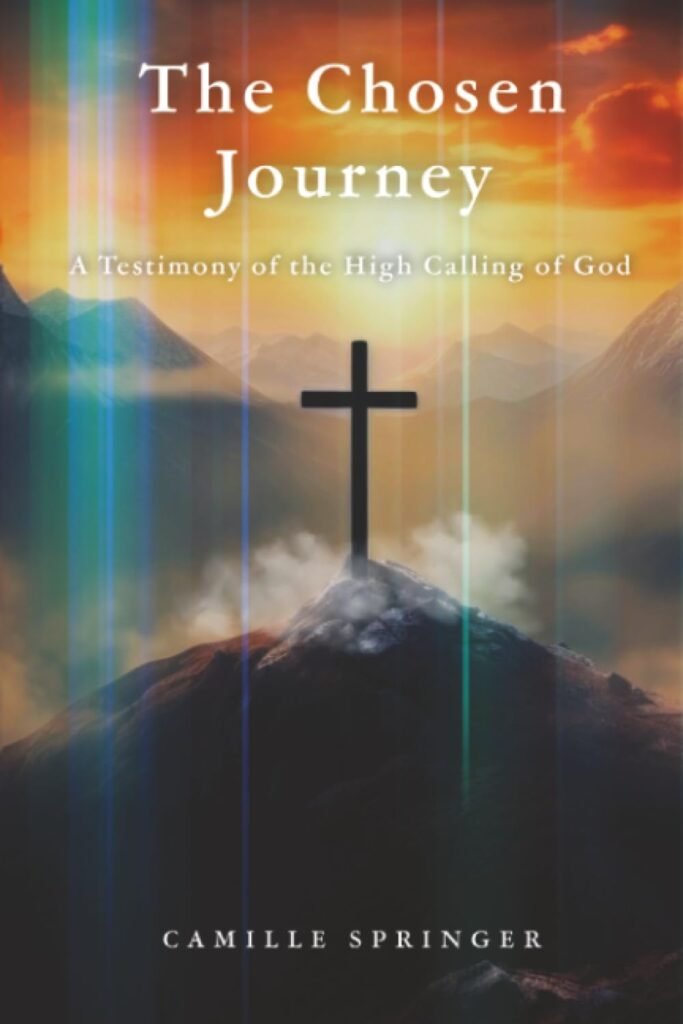
If you’re a Christian writer who feels called but uncertain, The Chosen Journey: A Testimony of the High Calling of God by Camille Springer speaks directly to the unseen process of preparation, discipline, and spiritual growth behind the calling. Get your copy today.
For authors ready to move from inspiration to execution, Chayil Works Publishing provides faith-centered support services such as:
- Editorial and manuscript development
- Author coaching and publishing consultations
- Strategic guidance for Christian writers and creatives
Read the book. Get the support. Build with purpose.