
5 Book Publishing Lessons Every Author Learns the Hard Way
Publishing a book is often imagined as the finish line of a long creative journey. In reality, it’s the beginning of a new learning curve, one that many authors only understand after making costly mistakes. While no path is completely smooth, there are several lessons nearly every author learns the hard way. Knowing them ahead of time can help you navigate publishing with greater wisdom and fewer regrets.

1. Writing the Book Is Only Half the Work
Many authors believe that once the manuscript is finished, the hardest part is over. In truth, writing is just one phase of a much larger process. Editing, formatting, cover design, marketing, and distribution all require time, skill, and decision-making.
Authors who underestimate this stage often feel overwhelmed or rushed, which can lead to poor-quality publishing choices. Understanding early on that publishing is a process, not a moment, helps set realistic expectations.
2. Not All Publishing Advice Applies to You
One of the quickest ways authors get stuck is by trying to follow every piece of advice they hear. What worked for one author may not fit your genre, audience, budget, or goals. Traditional publishing, self-publishing, and hybrid models all come with different demands and outcomes.
Authors often learn, after frustration or disappointment, that discernment matters. Your publishing path should align with your purpose, not someone else’s success story.
3. Editing Is Not Optional
Many authors attempt to cut costs by skipping professional editing or relying only on friends and family. Almost every author who does this later realizes it was a mistake. Editing is not about correcting typos alone, it’s about clarity, structure, pacing, and reader experience.
Readers may forgive a weak plot or a slow chapter, but consistent errors and confusion damage credibility. Strong editing protects both the book and the author’s reputation.
4. Marketing Doesn’t Start After Publishing
Another lesson learned too late is that marketing should begin long before the book is released. Authors who wait until launch day to build an audience often struggle to gain traction. Visibility grows through relationships, consistency, and trust over time.
Publishing without a marketing plan doesn’t mean your book is bad, it means fewer people will know it exists. Authors who understand this early are better prepared for long-term impact.
5. Emotional Resilience Matters More Than Talent
Perhaps the hardest lesson is realizing that publishing tests more than writing ability, it tests patience, confidence, and perseverance. Rejections, low sales, slow growth, and criticism are common experiences, even for gifted writers.
Many authors discover that success requires emotional resilience as much as skill. Learning to separate personal worth from outcomes allows writers to continue creating without burning out or quitting too soon.
Conclusion
Every author learns these lessons eventually, through mistakes, setbacks, or reflection. The goal isn’t to avoid every challenge, but to approach publishing informed rather than naive.
When authors combine preparation, humility, and persistence, the publishing journey becomes less discouraging and more sustainable. The lessons may be learned the hard way, but they can still lead to growth, clarity, and better books ahead.
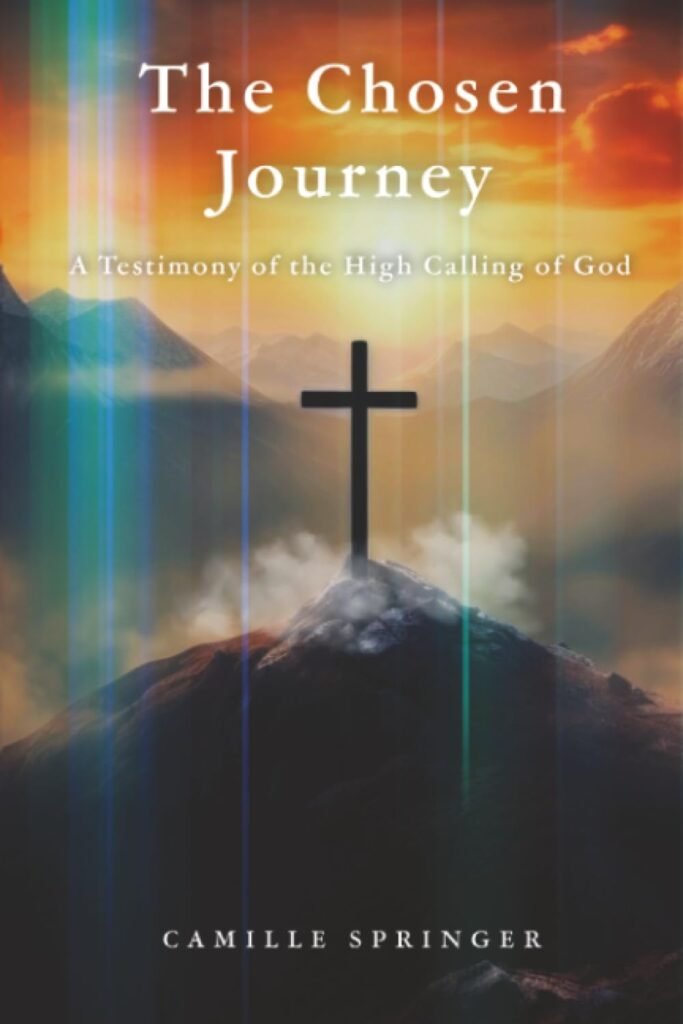
If you’re an author navigating faith, obedience, setbacks, and growth, The Chosen Journey: A Testimony of the High Calling of God by Camille Springer offers a transparent look at the refining process behind purpose-driven work. The book speaks to the unseen seasons of preparation, resilience, and spiritual maturity that shape both the writer and the message. Get your copy today!
For authors who want practical guidance alongside spiritual alignment, Chayil Works Publishing provides support rooted in clarity and excellence. Through editorial services, Christian author coaching, and publishing consultations, the platform helps writers avoid common pitfalls and build sustainable paths forward.