5 Book Publishing Lessons Every Author Learns the Hard Way          

5 Book Publishing Lessons Every Author Learns the Hard Way

Publishing a book is often imagined as the finish line of a long creative journey. In reality, it’s the beginning of a new learning curve, one that many authors only understand after making costly mistakes. While no path is completely smooth, there are several lessons nearly every author learns the hard way. Knowing them ahead of time can help you navigate publishing with greater wisdom and fewer regrets.

1. Writing the Book Is Only Half the Work

Many authors believe that once the manuscript is finished, the hardest part is over. In truth, writing is just one phase of a much larger process. Editing, formatting, cover design, marketing, and distribution all require time, skill, and decision-making.


Authors who underestimate this stage often feel overwhelmed or rushed, which can lead to poor-quality publishing choices. Understanding early on that publishing is a process, not a moment, helps set realistic expectations.

2. Not All Publishing Advice Applies to You

One of the quickest ways authors get stuck is by trying to follow every piece of advice they hear. What worked for one author may not fit your genre, audience, budget, or goals. Traditional publishing, self-publishing, and hybrid models all come with different demands and outcomes.


Authors often learn, after frustration or disappointment, that discernment matters. Your publishing path should align with your purpose, not someone else’s success story.

3. Editing Is Not Optional

Many authors attempt to cut costs by skipping professional editing or relying only on friends and family. Almost every author who does this later realizes it was a mistake. Editing is not about correcting typos alone, it’s about clarity, structure, pacing, and reader experience.


Readers may forgive a weak plot or a slow chapter, but consistent errors and confusion damage credibility. Strong editing protects both the book and the author’s reputation.

4. Marketing Doesn’t Start After Publishing

Another lesson learned too late is that marketing should begin long before the book is released. Authors who wait until launch day to build an audience often struggle to gain traction. Visibility grows through relationships, consistency, and trust over time.


Publishing without a marketing plan doesn’t mean your book is bad, it means fewer people will know it exists. Authors who understand this early are better prepared for long-term impact.

5. Emotional Resilience Matters More Than Talent

Perhaps the hardest lesson is realizing that publishing tests more than writing ability, it tests patience, confidence, and perseverance. Rejections, low sales, slow growth, and criticism are common experiences, even for gifted writers.


Many authors discover that success requires emotional resilience as much as skill. Learning to separate personal worth from outcomes allows writers to continue creating without burning out or quitting too soon.
Conclusion

Every author learns these lessons eventually, through mistakes, setbacks, or reflection. The goal isn’t to avoid every challenge, but to approach publishing informed rather than naive.


When authors combine preparation, humility, and persistence, the publishing journey becomes less discouraging and more sustainable. The lessons may be learned the hard way, but they can still lead to growth, clarity, and better books ahead.


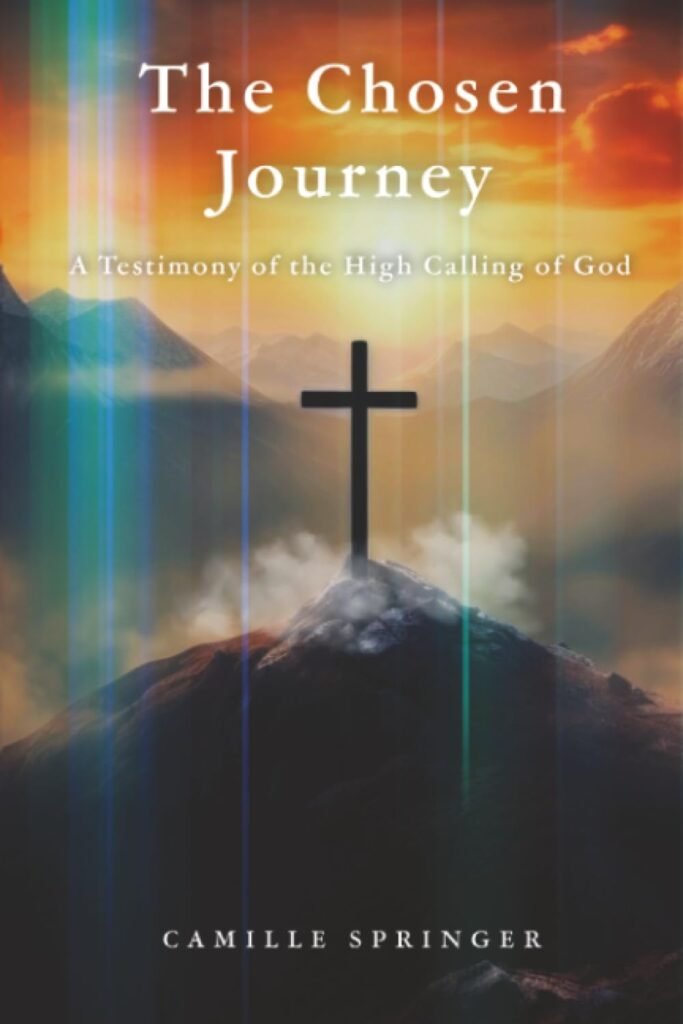
If you’re an author navigating faith, obedience, setbacks, and growth, The Chosen Journey: A Testimony of the High Calling of God by Camille Springer offers a transparent look at the refining process behind purpose-driven work. The book speaks to the unseen seasons of preparation, resilience, and spiritual maturity that shape both the writer and the message. Get your copy today!

For authors who want practical guidance alongside spiritual alignment, Chayil Works Publishing provides support rooted in clarity and excellence. Through editorial services, Christian author coaching, and publishing consultations, the platform helps writers avoid common pitfalls and build sustainable paths forward.


 

Marketing with Purpose

Marketing with Purpose: How to Share Your Book Without Feeling Salesy

For many Christian authors, marketing feels uncomfortable. You didn’t write your book to “sell,” you wrote it out of obedience, conviction, or calling. So, when it comes time to promote your work, tension arises. How do you share your book without feeling pushy, self-centered, or transactional?


The answer lies in marketing with purpose, not pressure.

Redefining What Marketing Really Is

Marketing is often misunderstood as manipulation or aggressive selling. In reality, marketing is simply communication. It’s letting the right people know that something exists that may help, encourage, or serve them.


When your book carries a message God placed on your heart, sharing it is not pride, it’s stewardship. Hiding the work out of fear or discomfort doesn’t make it more humble; it just limits its reach.

Shift From Selling to Serving

One of the biggest mindset shifts is moving from “How do I sell my book?” to “Who does this book serve?”

When you focus on the reader’s need rather than your own outcome, the tone of your messaging changes naturally. Instead of promoting a product, you’re offering an invitation, an opportunity for growth, healing, insight, or encouragement.


Ask yourself:


  • Who is this book for?
  • What problem, question, or season does it address?
  • How might someone’s life be different after reading it?

Let those answers shape how you talk about your book.

Be Consistent, Not Aggressive

Several faith-based books have made a significant impact on readers’ lives. Here are a few notable examples:


Purpose-driven marketing is gentle but consistent. You don’t need to promote every day or everywhere. Choose a few platforms where your audience already is, and show up with value.


This might look like:


  • Writing blog posts related to your book’s themes
  • Sharing short reflections or excerpts
  • Answering questions your audience is already asking

Consistency communicates credibility. Aggression creates resistance.

These books illustrate the power of faith-based literature to inspire, heal, and transform lives.

Let God Handle the Results

One of the most freeing truths for Christian authors is this: you are responsible for obedience, not outcomes. You can share faithfully, communicate clearly, and serve well, while trusting God with reach, timing, and impact.


Marketing becomes burdensome when it’s driven by fear or comparison. It becomes purposeful when it’s rooted in trust.

Conclusion

You don’t have to choose between faith and visibility. When your marketing flows from purpose, integrity, and service, it no longer feels salesy, it feels aligned. Your book doesn’t need hype. It needs honesty. Share it the same way you wrote it: with intention, humility, and trust that the right readers will find it at the right time.


If you’re learning how to share your work with confidence and integrity, The Chosen Journey: A Testimony of the High Calling of God by Camille Springer offers deeper insight into walking out purpose, obedience, and refinement, both in writing and in life. The book speaks to creatives and believers navigating calling, process, and spiritual growth behind the scenes. Get your copy today.


For authors who need guidance beyond inspiration, Chayil Works Publishing provides faith-centered support to help you steward your message well. From manuscript development and editing to Christian author coaching and publishing guidance, the platform exists to help writers move from calling to completion with clarity and excellence.

First-Time Christian Authors

5 Common Mistakes First-Time Christian Authors Make

Writing your first Christian book is an exciting step of faith. Many authors feel called to write, sense God’s prompting, and finally put pen to paper, only to discover the process is far more challenging than expected. While every writer’s journey is unique, there are several common mistakes first-time Christian authors often make. Recognizing them early can save time, frustration, and discouragement.

1. Confusing Calling with Readiness

One of the most common mistakes is assuming that a calling to write automatically means you’re ready to publish. A calling is an invitation to process, not a shortcut to completion. Many Christian authors rush to publish before the message has been fully developed, refined, or tested.


God often uses seasons of preparation, study, prayer, editing, and feedback, to shape both the message and the messenger. Skipping this stage can result in a book that feels incomplete or unclear, even if the heart behind it is sincere.

2. Writing Without Structure or Direction

Faith-based writing still needs structure. Many first-time authors sit down to “let the Spirit lead” without an outline, theme, or clear audience in mind. While inspiration is important, lack of structure often leads to rambling chapters, repeated ideas, or unfinished manuscripts.


Structure does not quench the Spirit, it supports the message. An outline helps ensure your ideas flow logically and your readers can follow the journey you’re inviting them on.

3. Trying to Sound “More Spiritual” Than Authentic

Another mistake is overusing Christian language to sound more authoritative or anointed. While Scripture and theological insight are vital, readers connect most deeply with honesty and clarity. When writing becomes overly complex or filled with spiritual jargon, it can distance rather than inspire.


Authenticity is powerful. God uses real stories, clear language, and lived experience just as much as deep theology. Write as yourself, not as who you think a “Christian author” should sound like.

4. Neglecting the Editing Process

Many first-time authors underestimate the importance of editing. Writing the manuscript is only the beginning. Editing is where clarity, coherence, and excellence are developed. Some authors avoid editing because it feels discouraging or time-consuming, while others rely solely on themselves to revise their work.


Strong Christian writing honors God through excellence. Seeking feedback, hiring an editor when possible, and revising multiple times are not signs of doubt, they are acts of stewardship.

5. Expecting Immediate Impact or Recognition

Finally, many new authors expect quick results, sales, invitations, recognition, or affirmation. When these don’t come right away, disappointment sets in. Writing as a believer requires patience and trust.


God’s timing is rarely instant. Books often grow slowly, reaching the right readers at the right time. Success in Christian authorship is not measured only by numbers, but by obedience, faithfulness, and transformation.

Moving Forward with Wisdom and Grace

Mistakes are part of the journey, not evidence of failure. Every seasoned author was once a beginner. When first-time Christian authors combine faith with humility, preparation, and perseverance, their writing becomes not only meaningful but impactful.

If you feel called to write, take heart. Learn, grow, revise, and trust the process. God is just as present in the refining as He is in the calling.


If you’re a Christian writer who feels called but uncertain, The Chosen Journey: A Testimony of the High Calling of God by Camille Springer speaks directly to the unseen process of preparation, discipline, and spiritual growth behind the calling. Get your copy today.


For authors ready to move from inspiration to execution, Chayil Works Publishing provides faith-centered support services such as:


  • Editorial and manuscript development
  • Author coaching and publishing consultations
  • Strategic guidance for Christian writers and creatives

Read the book. Get the support. Build with purpose.